

Blog
Urinary Leakage: Causes, Symptoms, and Advanced Treatment Options Explained

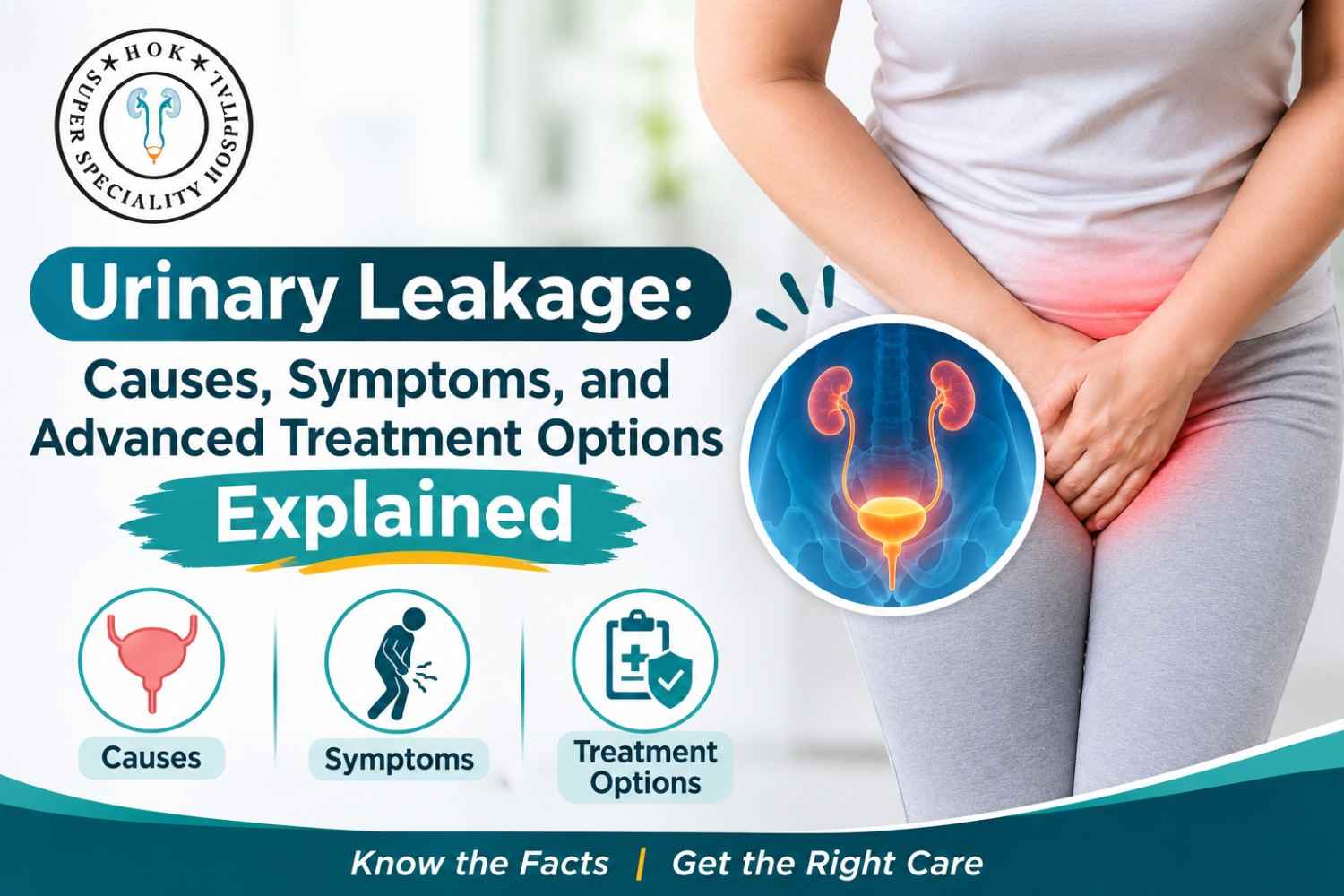
Urinary incontinence is a prevalent health problem that may affect both men and women. This problem manifests itself as loss of control over the bladder and subsequent urination without any intent on part of a person. Even though many individuals do not want to discuss this issue due to embarrassment, urinary incontinence is still a medical problem. Ignoring its symptoms may affect one’s quality of life, self-confidence, activities and even sleeping process.
Thanks to the development of medicine, there are multiple ways to treat the problems of losing control over the bladder. Recognizing causes and early symptoms and getting medical consultation are crucial aspects in dealing with urinary incontinence. Professional Urinary Leakage Treatment may help recognize the cause of the problem and get necessary treatment depending on your case.
What Is Urinary Leakage and Why Does It Happen?
Urinary leakage, also known as urinary incontinence, is the unwanted passage of urine. This problem can be occasional and take place during exercise, or it can consist of a strong urge to urinate unexpectedly.
It can be caused by weak pelvic floor muscles, poor functioning of the bladder, neurological complications, or urinary diseases. In females, pregnancy, childbirth, and changes in hormones can cause a loss of bladder control. In males, the causes include an enlarged prostate, history of operations on the prostate gland, and some neurological diseases.
Some other possible causes include:
- Older age and weakness of muscles.
- Excessive weight and pressure on the bladder.
- Recurrent UTIs.
- Chronic constipation.
- Some drugs and neurological complications.
- UTI surgery and operations on the pelvic area.
The determination of the cause is important since there are various kinds of leakage and thus different treatment methods.
Common Types of Urinary Incontinence
Determining the kind of urinary incontinence is useful for doctors to decide the best way to treat the condition.
- Stress Urinary Incontinence
This type happens when there is leakage of urine when any pressure is applied on the bladder. The causes can include coughing, sneezing, laughing, physical exercise, or even when picking up heavy things. Weakened pelvic floor muscles are a common cause.
- Urge Urinary Incontinence
Urge urinary incontinence is associated with overactive bladder syndrome and is characterized by a sudden urge to pass urine. It is sometimes hard to control.
- Overflow Incontinence
Overflow incontinence occurs when the bladder is unable to empty itself fully, leading to frequent or persistent leakage of urine. An enlarged prostate or a blocked urethra may cause overflow incontinence.
- Mixed Urinary Incontinence
People can have both stress and urge incontinence symptoms at the same time. This is known as mixed urinary incontinence.
Symptoms That Should Not Be Ignored
The symptoms of urinary leakage will depend on the type of problem being experienced.
Some of these symptoms include:
- Leaking urine when one is coughing, sneezing, laughing, or doing exercises.
- An urge to urinate that happens suddenly and frequently.
- Having difficulty making it to the bathroom in time.
- Urinating frequently at any given period of the day or night.
- Involuntary release of urine while sleeping.
- A feeling that the bladder has not been emptied properly.
- Pain or difficulty during urination.
If there is blood in the urine, pain when urinating, inability to urinate or new symptoms in the bladder, then one needs to see a doctor immediately.
How Is Urinary Leakage Diagnosed?
A correct diagnosis serves as the basis for effective treatment. Generally, a urologist starts with a review of a patient’s medical history, symptoms, medications, and urine behavior.
Based on the symptoms present, the following diagnostic procedures can be included:
- Urinalysis: Helps determine infections, blood, or other abnormalities in the urinary system
- Physical Exam: Evaluates any pelvic or prostate issues.
- Bladder Diary: Logs drinking fluid amount, number of bathroom visits, and any incontinence episodes.
- Ultrasound Scan: Assists in evaluating the state of the bladder and residual urine.
- Urodynamic Studies: Measures bladder capacity and voiding ability when necessary.
- Cystoscopy: Enables a specialist to examine the bladder and urethra in some cases.
All mentioned tests are not mandatory for each patient individually. The physician suggests conducting particular tests based on his/her symptoms and findings.
Advanced Treatment Options for Better Bladder Control
It is crucial to understand that Urinary Leakage Treatment methods differ depending on the type and degree of the problem, patient’s age and causes of urinary leakage. The majority of patients find non-invasive treatment methods effective, while some patients need medications or surgical interventions.
- Exercises for Strengthening of Pelvic Floor Muscles
Exercises for pelvic floor muscles also known as Kegel exercises contribute to strengthening of muscles responsible for bladder control. The methods are explained to the patients by specialists and physiotherapists.
- Bladder Training
Bladder training includes increasing the intervals between going to the bathroom. It can be useful for patients experiencing excessive urination or urges.
- Lifestyle Changes
Keeping a healthy body weight, avoiding constipation, limiting caffeine consumption, and practising correct hydration patterns can help control the symptoms of urinary incontinence. It is important for patients to refrain from restricting their water intake without medical guidance.
- Medication
Medications can be prescribed by doctors according to a particular diagnosis to control the symptoms or treat an underlying condition in cases of an overactive bladder.
- Minimally Invasive Treatments and Surgical Interventions
If the treatment is not effective enough, certain individuals can be offered minimally invasive treatments or surgical interventions depending on the nature of incontinence. Possible choices include slings or procedures for the correction of a dysfunctional bladder.
It will allow offering patients individualised treatments and avoid unnecessary procedures.
Choosing the Right Hospital for Urinary Health
Finding the appropriate medical facility for bladder control problems is an essential aspect of management. Patients need to take into account the expertise of specialists, diagnostic facilities, treatment methods, and personalized medical advice.
HOK Super Speciality Hospital offers expert urological treatment by qualified specialists, such as Dr. Pawan Mehta. The hospital concentrates on advanced diagnostic techniques, patient-oriented care, and individualized treatment plans. Individuals in search of the Best Urology Hospital in Delhi may benefit from the urology and female urology services available at the hospital.
Offering the principles of ethical medical treatment and advanced urological care, HOK Super Speciality Hospital helps patients get the information about their condition.
Take the First Step Towards Better Bladder Control
Urine leakages are never supposed to be an inevitable aspect of getting older, nor are the patients expected to endure in silence. With early detection and proper medical advice, patients will be able to cope with their problems and lead a more comfortable life.
In case you have problems with urine leakage, unexpected urges to visit the washroom or difficulty in urination, please see a specialist urologist. Proper Urinary Leakage Treatment starts with identifying the exact causes and choosing the right treatment.
Schedule your appointment at HOK Super Speciality Hospital and take one step further in ensuring a good urinal health. In case you are looking for a Best Urology Hospital in Delhi, contact the specialists of HOK Super Speciality Hospital.

About HOK Super Speciality Hospital Team
The HOK Super Speciality Hospital Team is the official medical editorial team of HOK Super Speciality Hospital, dedicated to creating accurate, evidence-based, and patient-friendly health content. Our articles are written and medically reviewed by experienced urologists, surgeons, and healthcare professionals specializing in kidney care, urology, prostate health, urinary disorders, and minimally invasive treatments. Every blog is developed using current medical research, established clinical guidelines, and the expertise of our specialists to ensure readers receive reliable, up-to-date, and easy-to-understand health information. Our editorial process focuses on accuracy, transparency, and patient education, helping individuals make informed decisions about their health. With a commitment to clinical excellence and compassionate care, the HOK Super Speciality Hospital Team strives to promote awareness, preventive healthcare, and trusted medical knowledge. Through our educational content, we aim to empower patients and their families with practical information that supports better health outcomes and overall well-being.
View all posts by HOK Super Speciality Hospital Team