
Blog
Is a 5 mm Kidney Stone Dangerous? Symptoms, Risks, and Treatment Explained

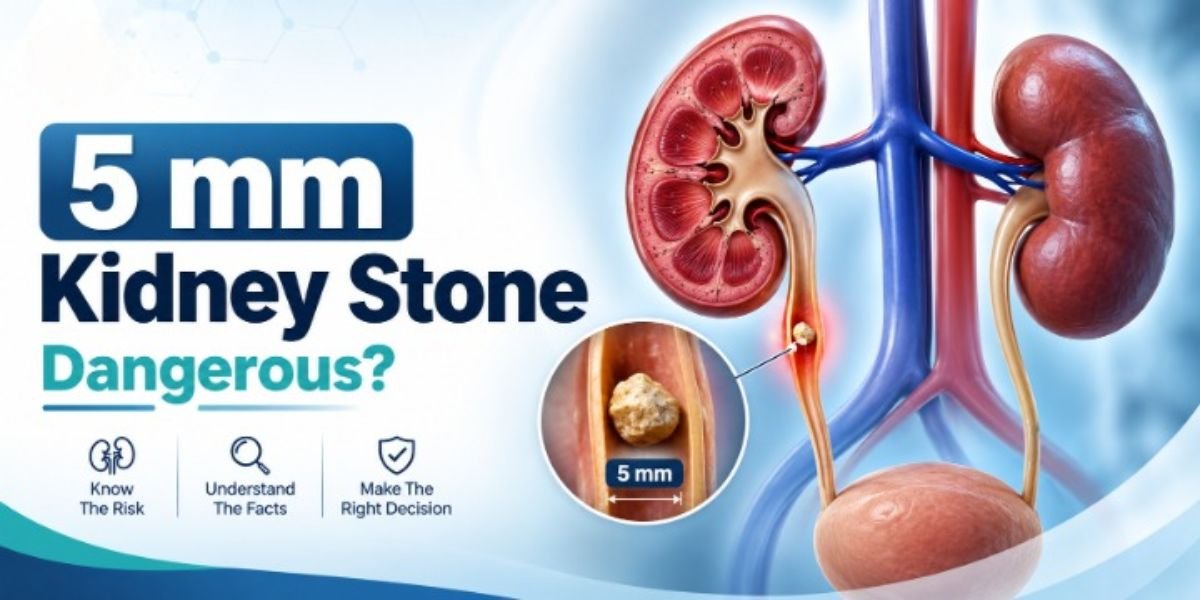
Kidney stones don’t ask for permission; they show up and make their presence painfully clear. If you’ve recently been diagnosed, one question probably sits at the top of your mind: Is a 5 mm kidney stone dangerous?
The short answer: it depends. A 5mm stone sits right in the “borderline zone”, not too small to ignore, not too large to panic immediately. But yes, it can cause significant discomfort and complications if left untreated.
If symptoms worsen, many patients consult the best Urology Hospital in Delhi for expert evaluation and timely care.
Let’s break this down in a simple, practical, and medically accurate way.
What is a 5 mm Kidney Stone?
A kidney stone is a hard deposit made of minerals and salts that forms inside your kidneys. According to the National Institute of Diabetes and Digestive and Kidney Diseases (NIDDK), stones vary in size and composition.
A 5mm stone is roughly:
- About the size of a small pea
- Large enough to block urine flow
- Small enough to sometimes pass naturally
This is why the likelihood of spontaneous stone passage becomes a key factor in treatment decisions.
Is a 5mm Kidney Stone Dangerous?
Let’s address the main keyword directly.
So, Is 5mm Kidney Stone Dangerous?
It is not usually life-threatening, but
It can become dangerous if complications develop
Potential risks include:
- Severe pain (renal colic)
- Urinary blockage
- Infection
- Kidney swelling
Doctors evaluate these risks under medical management of kidney stones to decide the next step.
If complications arise, visiting the best Urology Hospital in Delhi ensures timely intervention.
5mm Kidney Stone Symptoms
A 5mm stone rarely stays quiet.
Common 5mm kidney stone symptoms include:
- Sharp pain in the lower back or side
- Pain while urinating
- Blood in urine
- Nausea or vomiting
- Frequent urge to urinate
This pain often reflects the pain severity of medium kidney stones, which can be intense and unpredictable.
Fun fact (not fun when you experience it):
Kidney stone pain is often compared to childbirth pain. Yes, it’s that serious.
Chances of Passing a 5mm Kidney Stone Naturally
Now the big question: can it pass on its own?
Chances of passing a 5 mm kidney stone naturally
- Around 50% or less, depending on location
- Higher chances if stone is in lower ureter
- Lower chances if stuck in kidney
Medical studies (including data referenced by NHS) show that stones under 5mm pass more easily, while 5mm stones sit right on the edge.
This is why doctors closely monitor the risk factors of a 5 mm kidney stone before deciding treatment.
How Long Does a 5mm Kidney Stone Take to Pass?
Patience becomes your best friend here.
How long does a 5mm kidney stone take to pass?
- Typically a few days to a few weeks
- Sometimes up to 40 days
Factors affecting time:
- Hydration levels
- Stone position
- Urinary flow
Proper hydration plays a major role of hydration in kidney stone prevention and also helps in passing existing stones.
When Does a 5mm Kidney Stone Become Serious?
A 5mm stone turns serious when complications appear.
Watch for:
- Fever (possible infection)
- Severe vomiting
- Inability to urinate
- Persistent unbearable pain
These are signs of urinary tract obstruction symptoms, which require immediate care.
In such cases, consulting the best Urology Hospital in Delhi becomes essential.
Treatment Options for 5mm Kidney Stone
Doctors choose treatment based on symptoms, size, and complications.
Treatment options for a 5 mm kidney stone
1. Conservative Management (First Line)
- Pain medications
- High fluid intake
- Observation
2. Medical Therapy
Doctors may prescribe medications to relax the ureter and improve the likelihood of spontaneous stone passage.
3. Minimally Invasive Procedures
If the stone doesn’t pass:
- ESWL (Shock Wave Therapy)
- Ureteroscopy
These fall under the standard medical management of kidney stones globally.
You can also locate trusted treatment centres like Hok Super Speciality Hospital on Google for advanced care.
Role of Hydration and Lifestyle
Hydration is not optional; it’s essential.
Why hydration matters:
- Dilutes urine
- Prevents crystal formation
- Helps flush out stones
This clearly highlights the role of hydration in kidney stone prevention.
Lifestyle tips:
- Drink 2.5–3 litres of water daily
- Reduce salt intake
- Limit oxalate-rich foods
- Maintain a balanced diet
Who Is at Higher Risk?
Understanding risk factors of 5 mm kidney stones helps in prevention.
High-risk groups:
- People with low water intake
- High salt or protein diets
- Family history of kidney stones
- Obesity
Even children can be affected, which is why specialized care like Child Urology in Paschim Vihar becomes important.
Adults may prefer consulting a Male Urology Doctor in Delhi or Female Urology Doctor in Delhi based on comfort.
Prevention: Stop Future Stones Before They Start
Once you get a kidney stone, your chances of recurrence increase.
Prevention strategies:
- Stay hydrated daily
- Avoid excessive processed foods
- Maintain a healthy weight
- Follow doctor’s dietary advice
Think of it this way:
Your kidneys are like a filter; don’t overload them with junk.
Conclusion: Should You Worry About a 5mm Kidney Stone?
A 5mm kidney stone sits in a tricky zone; it may pass naturally, but it can also cause significant discomfort and complications.
The key is simple: monitor your symptoms, stay well hydrated, and seek medical advice when needed.
If your pain becomes severe, keeps coming back, or doesn’t improve, don’t wait it out. Consult the best Urology Hospital in Delhi for an accurate diagnosis and the right treatment plan. Early care can prevent complications and help you recover faster.
Book a consultation today and take the first step toward safe, effective relief, because ignoring the problem won’t make it disappear, but timely action will make all the difference.